


TL;DR:
- A targeted supplement stack starts with fundamentals like protein, omega-3, vitamin D, and multivitamins.
- Performance boosters include creatine, beta-alanine, and caffeine, added in a specific order for safety.
- Overdoing supplements or stacking randomly can cause imbalances; testing and gradual addition are key.
You’re training consistently, eating well, and still hitting a wall. Results plateau, recovery drags, and the cabinet full of supplements doesn’t seem to be moving the needle. The problem usually isn’t effort — it’s structure. Random stacking wastes money and, worse, can blunt the very gains you’re chasing. A step-by-step approach, grounded in evidence, changes that entirely. This guide walks you through every layer of a smart supplement stack, from the non-negotiable foundations to the performance boosters and recovery refinements, so you can build something that actually works for your body and your goals.
Table of Contents
- Laying the foundation: essentials for every supplement stack
- Performance boosters: building your stack for power and endurance
- Customising your stack: targeting recovery, wellness, and personal goals
- Safety, risks and troubleshooting: what to watch for with supplement stacks
- Where most people go wrong with supplement stacks (and how to do better)
- Start your supplement optimisation journey with Elevate Supplements
- Frequently asked questions
Key Takeaways
| Point | Details |
|---|---|
| Start with the basics | A strong supplement stack begins with proven essentials like protein, omega-3, and vitamin D. |
| Layer for performance | Add evidence-based boosters such as creatine, beta-alanine, and caffeine depending on training goals. |
| Personalise and test | Adjust your stack for recovery and wellness, using tests and listening to your body for best results. |
| Prioritise safety | Monitor for interactions, get blood tests where needed, and don’t skip consulting a professional if unsure. |
Laying the foundation: essentials for every supplement stack
Before you add anything exotic to your stack, you need to get the basics right. Think of foundational supplements as the platform everything else sits on. Without them, even the most sophisticated performance stack will underdeliver. The good news is that the core list is short, affordable, and backed by solid research.
Protein is the non-negotiable starting point. Your muscles cannot repair or grow without adequate amino acid availability, and most people training hard simply don’t hit their targets from food alone. Research confirms that protein supplementation yields the greatest muscular strength gains (SMD 0.64, SUCRA 99.6%) in athletes following conditioning training. That’s a meaningful effect size. Aim for 1.6 to 2.2g per kilogram of bodyweight daily, combining food sources with a quality whey or plant-based protein powder to close any gaps. If you’re curious about why stack supplements in the first place, the compounding effect starts here.
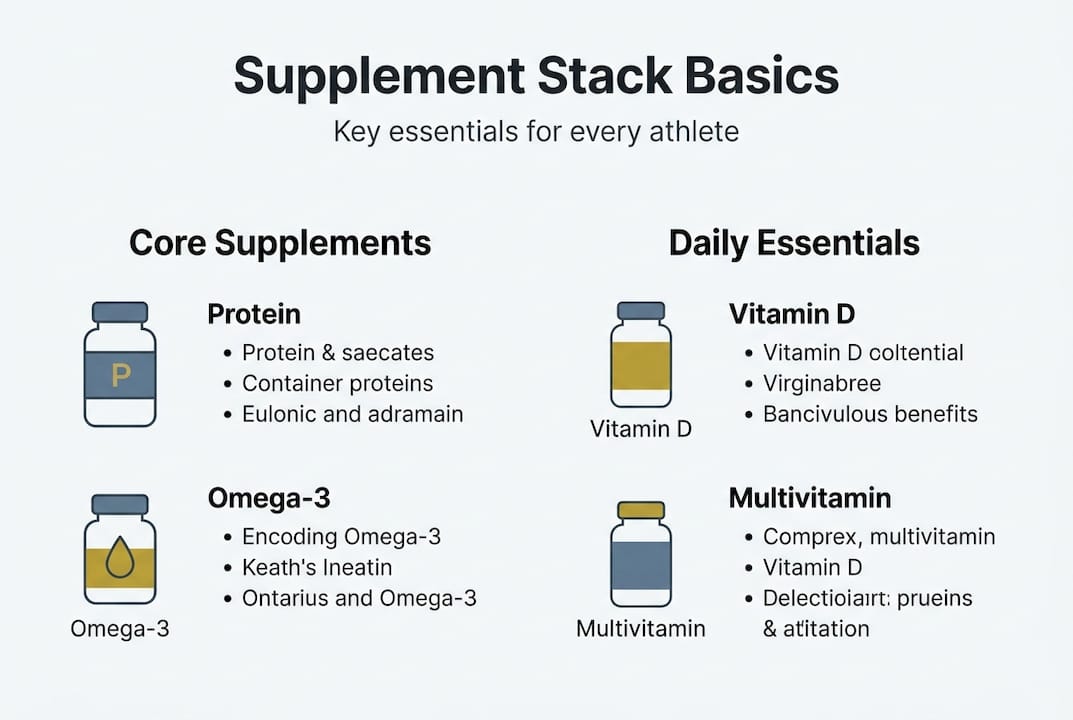
Omega-3 fatty acids and vitamin D are the two most overlooked essentials in fitness stacking. Omega-3s reduce systemic inflammation, support joint health, and accelerate recovery between sessions. Vitamin D underpins testosterone production, immune function, and bone density. Together, omega-3 and vitamin D form a targeted layer for inflammation reduction, recovery, and joint health that most athletes are deficient in without realising it.
Multivitamins fill micronutrient gaps that even a clean diet can leave open, particularly for athletes burning through B vitamins, zinc, and magnesium at higher rates.
Here’s a quick reference for foundational dosing:
| Supplement | Daily dose | Primary benefit |
|---|---|---|
| Whey protein | 20–40g | Muscle repair and growth |
| Omega-3 (EPA/DHA) | 1–3g | Inflammation and joint support |
| Vitamin D3 | 1,000–4,000 IU | Bone health, immunity, hormones |
| Multivitamin | As labelled | Micronutrient coverage |
When choosing products, look for third-party tested labels, clear ingredient quantities (no proprietary blends), and certifications such as Informed Sport or NSF. Transparency matters. You can explore a solid muscle building supplements guide to see how these foundations slot into a broader growth-focused plan.
Pro Tip: Log your food intake for one week before buying protein powder. Many athletes already hit 80% of their protein target through meals and only need a small supplement top-up, not a full serving twice a day.
Performance boosters: building your stack for power and endurance
Now that we’ve covered the essentials, it’s time to focus on the supplements that accelerate physical performance. This is where your stack starts to feel genuinely impactful, provided you add these in the right order and at the right doses.
Creatine monohydrate is the single most researched performance supplement in existence. A daily dose of 3–5g creatine monohydrate supports strength, power, muscle growth, and sprint speed, with a measured SMD of -0.42 for sprint time reduction. You don’t need to load or cycle it. Take it daily, with or without food, and let it accumulate in your muscle tissue over two to three weeks. Simple, cheap, and remarkably effective.
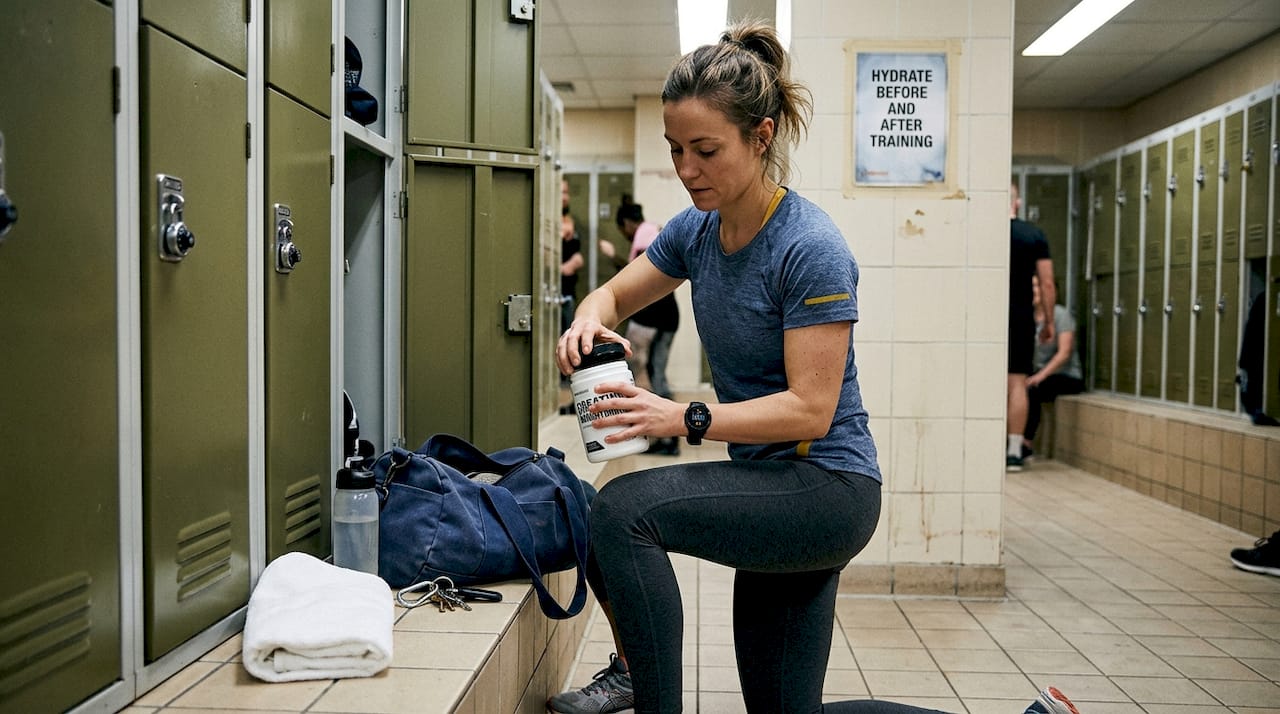
Beta-alanine is your tool for high-intensity endurance. It works by buffering lactic acid build-up in muscle tissue, which delays fatigue during efforts lasting longer than 60 seconds. Beta-alanine at 3.2–6.4g daily (split across doses) improves jump height (SMD 0.41) and sustains output in repeated high-intensity bouts. The tingling sensation (paresthesia) it causes is harmless but can be startling. Split your dose into smaller servings to manage it.
Caffeine rounds out the performance trio. At 3–6mg per kilogram of bodyweight before training, caffeine delivers a reliable acute performance boost, sharpening focus and increasing power output. Timing matters: take it 30 to 45 minutes pre-workout for peak effect.
Here’s how the three compare for different training goals:
| Supplement | Best for | Dose | Timing |
|---|---|---|---|
| Creatine | Strength and power | 3–5g daily | Any time |
| Beta-alanine | Endurance and HIIT | 3.2–6.4g split | Pre or post-workout |
| Caffeine | Acute focus and output | 3–6mg/kg | 30–45 min pre-workout |
To build this layer safely, follow this order:
- Start creatine first and take it consistently for three weeks before assessing.
- Introduce beta-alanine at a low dose (1.6g) and increase gradually over one to two weeks.
- Add caffeine last, only after confirming tolerance to the other two.
- Assess your response to each before combining all three in a single session.
Pro Tip: If you drink coffee daily, factor that caffeine into your total dose. Stacking a pre-workout on top of two espressos can push you well beyond the effective range and into jitteriness or disrupted sleep.
When you’re ready to think longer term, learning how to plan supplement cycles will help you structure your performance layer across training blocks.
Customising your stack: targeting recovery, wellness, and personal goals
Once you’ve built a base and added performance fuels, refine your stack for recovery and well-being. This is where stacking becomes genuinely personal, because no two athletes have the same weak points.
Start by asking yourself where your biggest gaps are. Are you dealing with persistent muscle soreness? Aching joints? Poor sleep quality? Frequent illness during heavy training blocks? Each of these points to a different supplementation priority.
For muscle soreness and recovery, magnesium glycinate (200–400mg before bed) is underrated. It supports muscle relaxation, sleep quality, and reduces cramping. Glutamine can also help during periods of very high training volume, though its benefits are most pronounced when overall protein intake is already adequate.
For joint health, a combination of omega-3 and vitamin D remains the evidence-backed first choice, ahead of more expensive collagen or glucosamine products. That said, collagen peptides (10–15g daily with vitamin C) show promising data for connective tissue support in athletes with existing joint discomfort.
For immune support, zinc and vitamin C are worth considering during periods of heavy training load, when immune function can dip temporarily.
Here are the key personalisation factors to consider:
- Age: Older athletes often benefit from higher vitamin D doses and additional joint support.
- Training volume: Higher volume increases demand for magnesium, B vitamins, and antioxidants.
- Bloodwork: Most athletes require bloodwork to identify deficiencies before supplementing, particularly for vitamin D, iron, and ferritin levels.
- Goals: Fat loss phases may call for different support (e.g. CLA or L-carnitine) compared to mass-building phases.
For a broader look at how these choices fit together, the sports recovery supplements guide covers the full recovery picture in detail.
Short-term situational use (e.g. zinc during a heavy competition block) is different from long-term stacking. Know which category each supplement falls into and plan accordingly.
Safety, risks and troubleshooting: what to watch for with supplement stacks
Even the best planned stack can present risks; here’s how to stay smart and safe.
The first and most important step is testing before supplementing. Many athletes test for deficiencies via bloodwork before adding vitamin D, iron, or magnesium, because supplementing nutrients you’re already sufficient in can cause imbalances rather than improvements. A simple GP blood panel can save you money and prevent unnecessary side effects.
Key risks to be aware of include:
- Nutrient interactions: Calcium supplements taken at the same time as iron or magnesium significantly reduce absorption of both. Space them out by at least two hours.
- High-dose risks: Excessive vitamin A, vitamin E, and zinc can be toxic at sustained high doses. More is not always better.
- Stimulant overload: Stacking multiple caffeine sources (pre-workout, energy drinks, coffee) raises heart rate and blood pressure beyond safe limits.
- Kidney and liver stress: Those with existing kidney issues should avoid high protein intakes and creatine supplementation without medical guidance.
“Random stacking increases risk of imbalances and side effects.”
This is worth taking seriously. Research confirms that no lean mass gains come from supplements alone, and random stacking risks interactions, imbalances, and side effects that undermine the very goals you’re working towards. Food and training are the primary drivers of fitness. Supplements are secondary, always.
For practical guidance on building a stack without these pitfalls, the resources on safe stacking practices and supplement safety tips are worth bookmarking. Understanding why supplement quality matters is equally important, as low-quality products introduce contamination risks that no amount of careful stacking can offset. You’ll also find useful stacking tips for structuring your approach around athletic performance specifically.
Where most people go wrong with supplement stacks (and how to do better)
With the practical steps laid out, it’s worth challenging some common supplement stacking myths head on.
The biggest mistake we see is the “mega stack” mentality. Athletes spend hundreds of pounds monthly on eight to twelve different products, convinced that more inputs equal more outputs. They rarely do. In practice, a simple, targeted stack built around protein, creatine, vitamin D, and omega-3 will outperform a bloated supplement cabinet for the vast majority of people. The returns on additional products diminish fast once the basics are covered.
There’s also the novelty trap. New ingredients get hyped relentlessly, but most lack the years of replicated research that creatine and protein have behind them. Chasing the next breakthrough usually means spending money on something that delivers marginal benefit at best.
The athletes who see the best real-world results are the ones who treat their stack like an experiment, not a shopping list. They change one variable at a time, track their response honestly, and build on what works. Understanding the supplement stacking reality helps set the right expectations from the start.
Pro Tip: Keep a simple weekly log of your stack, sleep quality, training performance, and recovery. After four weeks, the data will tell you far more than any influencer recommendation.
Start your supplement optimisation journey with Elevate Supplements
If you’re ready to put this framework into practice, Elevate Supplements has everything you need to build a clean, evidence-backed stack without the guesswork.
From a research-backed perform and recovery stack that covers multiple layers in one go, to individual products like pure creatine monohydrate and high-quality whey protein, every product is transparently labelled and sourced for quality. Fast UK and Ireland delivery, free shipping on orders over £100, and 24/7 support mean your stack arrives quickly and any questions get answered promptly. Start with the foundations, add your performance layer, and build from there.
Frequently asked questions
What is the best basic supplement stack for beginners?
A starter stack should include protein, a daily multivitamin, omega-3, and vitamin D. Research shows protein supplementation yields the greatest muscular strength gains (SMD 0.64) in athletes following conditioning training, making it the essential first addition.
How do I know if I need extra supplements beyond the basics?
Get a blood panel done first to identify any actual deficiencies, then layer supplements based on your training intensity and recovery needs. Testing for deficiencies via bloodwork before supplementing is the most reliable way to avoid guesswork.
Are there risks to stacking too many supplements?
Yes. Random stacking risks interactions, imbalances, and side effects, so always add one supplement at a time and review significant changes with a qualified nutritionist or GP.
How soon will I see results from a supplement stack?
Most people notice improved recovery and performance within two to four weeks when using evidence-based stacks alongside consistent training and adequate sleep.
Can I stack supplements if I have a health condition?
Certain stacks are not suitable for everyone. Those with kidney or liver issues should avoid high protein and creatine supplementation without medical clearance, so always consult your GP before starting any new stack.
Recommended
- How to Stack Supplements Safely for Maximum Results – ElevateSupplements
- Top supplement stacking tips for optimal performance – ElevateSupplements
- How to plan supplement cycles for peak performance 2026 – ElevateSupplements
- Peak results with the ultimate supplement timing guide – ElevateSupplements
- Best plant protein powder to build muscle: 25g per serve 2026 – Granavitalis


