


Choosing the right pre-workout supplement can feel overwhelming when faced with countless options promising energy, strength, and endurance. You need clarity on which types actually deliver results and match your training schedule, sensitivity to stimulants, and specific performance goals. This guide breaks down the main pre-workout supplement categories, explains how they work, and provides practical selection criteria so you can make informed decisions that enhance your workouts without compromising sleep or health.
Table of Contents
- Key takeaways
- How to choose pre-workout supplements: key criteria
- Types of pre-workout supplements and their mechanisms
- Comparing pre-workout supplement types: benefits and considerations
- Choosing the right pre-workout for your workout and goals
- Elevate your workouts with select pre-workout supplements
- Frequently asked questions
Key Takeaways
| Point | Details |
|---|---|
| Dosing transparency | Prioritise products with clearly labelled ingredient amounts and clinical doses rather than proprietary blends. |
| Timing matters | Choose stimulant based options for morning or early afternoon workouts and stimulant free options for evenings to protect sleep. |
| Clinically dosed ingredients | Look for citrulline at 6 grams, beta alanine 3.2 grams and caffeine between 150 and 350 milligrams in stimulant formulations. |
| Third party testing | Check for third party testing certifications to verify safety and freedom from banned substances. |
| Stimulant versus non stimulant | Evaluate whether stimulant based or stimulant free formulations align with your sensitivity, sleep, and performance goals. |
How to choose pre-workout supplements: key criteria
Before exploring specific supplement types, you need a framework for evaluation. Prioritise transparent labels with clinical doses rather than proprietary blends that hide ingredient amounts. Look for products listing at least 6 grams of citrulline, 3.2 grams of beta-alanine, and 150 to 350 milligrams of caffeine when stimulants are included. These clinical doses ensure you receive effective amounts rather than symbolic sprinklings.
Proprietary blends obscure actual ingredient quantities, making it impossible to verify whether you are getting research-backed doses. When labels clearly state each ingredient amount, you can compare products objectively and avoid underdosed formulations. Check for third-party testing certifications that confirm products are free from banned substances and contaminants, especially important for competitive athletes subject to drug testing protocols.
Timing matters significantly when selecting supplements. Morning and early afternoon workouts suit stimulant-based options, whilst evening sessions demand stimulant-free alternatives to protect sleep quality. Consider your personal caffeine sensitivity as well. Some individuals experience jitters or anxiety from moderate caffeine doses, making non-stimulant formulations the better choice regardless of workout timing.
Pro tip: For evening workouts, stimulant-free supplements help avoid sleep disruption whilst still delivering performance benefits through ingredients like citrulline and beta-alanine.
Quality indicators extend beyond ingredient lists. Examine supplement safety considerations including manufacturing standards, batch testing, and company reputation. Products manufactured in facilities following Good Manufacturing Practices provide additional quality assurance. Read verified customer reviews to understand real-world effectiveness and identify potential side effects others have experienced.
Types of pre-workout supplements and their mechanisms
Pre-workout supplements fall into two primary categories based on stimulant content. Stimulant-based and stimulant-free formulations serve different purposes and work through distinct physiological mechanisms. Understanding these differences helps you select the type that aligns with your training needs and personal biochemistry.
Stimulant-based supplements contain caffeine as their primary active ingredient, typically ranging from 150 to 350 milligrams per serving. These formulations often include additional stimulants such as theobromine or synephrine to enhance energy and focus. Caffeine blocks adenosine receptors in your brain, preventing the drowsiness signal and increasing alertness, whilst simultaneously promoting adrenaline release for heightened physical readiness.
Stimulant-free supplements rely on different mechanisms to enhance performance:
- Citrulline malate at 6 to 8 grams increases nitric oxide production, dilating blood vessels for improved blood flow and muscle pumps
- Beta-alanine at 3.2 grams or higher buffers hydrogen ions that accumulate during intense exercise, reducing muscle acidity and delaying fatigue
- Creatine monohydrate at 3 to 5 grams enhances ATP regeneration, providing more immediate energy for explosive movements and strength
- Betaine at 2.5 grams supports power output and cellular hydration
The physiological mechanisms differ substantially between these categories. Stimulants work primarily on your central nervous system, increasing neural drive and mental focus. Non-stimulant ingredients target muscular and cardiovascular systems directly, enhancing blood flow, buffering fatigue byproducts, and improving energy substrate availability at the cellular level.
Some advanced formulations combine both approaches, pairing moderate caffeine doses with pump and endurance ingredients. These hybrid products offer comprehensive support but require careful timing to avoid sleep disruption. Consider your individual supplement needs when evaluating combination products, as more ingredients do not always mean better results if doses are spread too thin.
Comparing pre-workout supplement types: benefits and considerations
Each supplement category offers distinct advantages and potential drawbacks. Both stimulant and non-stimulant pre-workouts improve performance metrics including anaerobic power and repetitions to failure, but they suit different situations and user profiles.
| Feature | Stimulant-based | Stimulant-free |
|---|---|---|
| Primary benefit | Energy and mental focus | Muscle pumps and endurance |
| Timing flexibility | Morning/early afternoon only | Any time including evenings |
| Sleep impact | Disrupts if taken late | No sleep interference |
| Tolerance development | Builds over 4-6 weeks | Minimal tolerance issues |
| Cardiovascular considerations | Increases heart rate and blood pressure | Generally cardiovascular neutral |
Stimulant pre-workouts excel at boosting energy levels and sharpening mental focus, particularly valuable for early morning sessions when you are fighting grogginess or for high-intensity training requiring maximum neural drive. The immediate alertness and motivation boost can transform lacklustre workouts into productive sessions. However, these benefits come with trade-offs including potential jitters, mid-workout crashes, and tolerance development requiring periodic breaks.
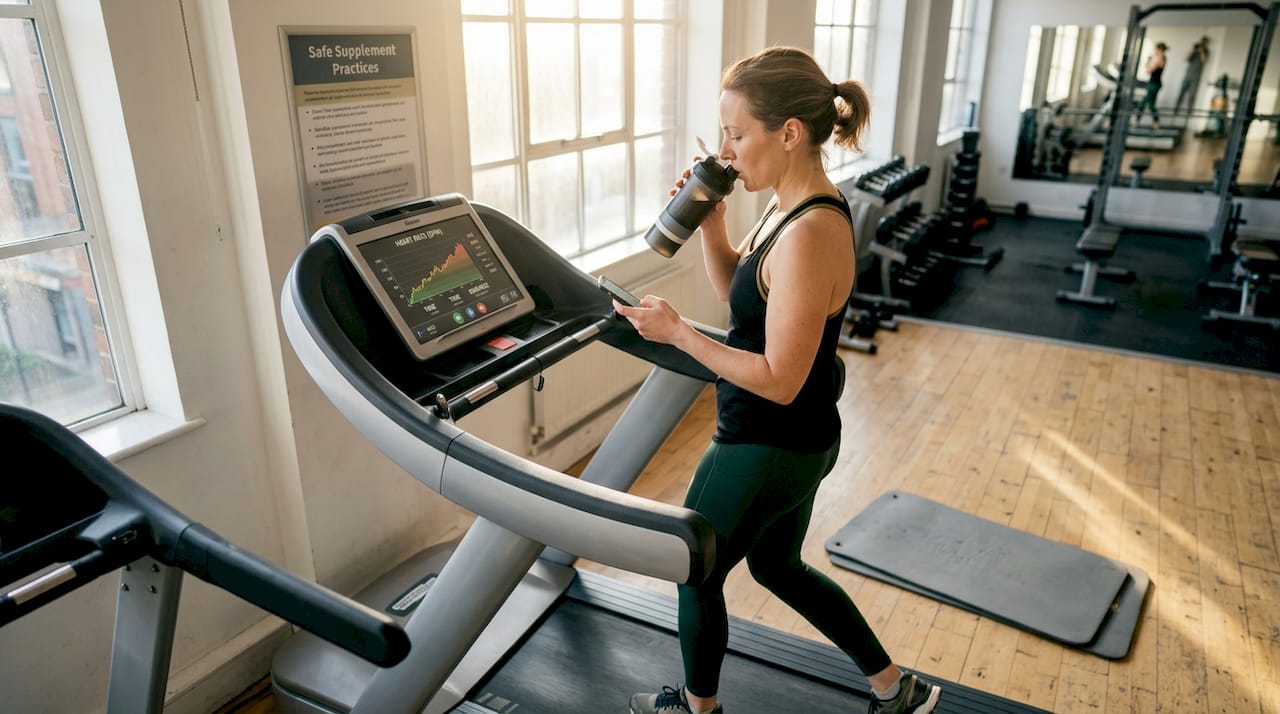
Non-stimulant options suit evening workouts and caffeine-sensitive individuals whilst protecting sleep quality. They enhance performance through improved blood flow, better nutrient delivery to working muscles, and delayed fatigue onset. The pump effect from increased nitric oxide production not only feels satisfying but also supports better muscle contractions and waste product removal during training.
Pro tip: Cycle stimulant pre-workouts every 4 to 6 weeks to maintain effectiveness and prevent tolerance build-up that diminishes benefits over time.
Risks associated with stimulant supplements include cardiovascular strain, particularly for individuals with pre-existing heart conditions or high blood pressure. Excessive caffeine intake can cause anxiety, digestive upset, and sleep disturbances even when taken many hours before bedtime. Some users experience dependency, feeling unable to train effectively without their pre-workout boost. Comparing supplement quality helps you identify products with appropriate stimulant levels and avoid excessive doses.
Both stimulant and non-stimulant pre-workouts can significantly enhance anaerobic power and reps to failure when formulated with clinical doses of active ingredients.
Non-stimulant supplements carry fewer risks but may feel less immediately noticeable since they lack the obvious energy surge. Some ingredients like beta-alanine cause harmless tingling sensations that some users find uncomfortable. The performance benefits build more gradually compared to the instant kick from caffeine. For comprehensive information on stimulant versus non-stimulant comparisons, examine how your training schedule and personal biochemistry influence optimal selection.
Choosing the right pre-workout for your workout and goals
Your ideal pre-workout type depends on multiple personal factors beyond simple performance enhancement. Consider these practical guidelines when making your selection:
- Choose stimulant pre-workouts if you train in the morning or early afternoon and need strong energy and mental focus to power through demanding sessions
- Opt for stimulant-free supplements when working out after 3pm or if you are sensitive to caffeine, as they protect sleep quality whilst still enhancing pumps and endurance
- Look for third-party tested products certified free of banned substances if you compete in drug-tested sports or simply want additional quality assurance
- Consider natural pre-workout options like coffee paired with a banana for those preferring whole food approaches or wanting to minimise supplement dependence
- Plan supplement cycling to avoid tolerance build-up, particularly with stimulant formulations that lose effectiveness with continuous daily use
- Listen to your body and monitor for adverse effects including sleep disruption, increased resting heart rate, or digestive issues that signal the need to adjust your choice
Competitive athletes face additional considerations regarding supplement selection. Many sports organisations prohibit specific ingredients, making third-party testing essential to avoid accidental violations. Choosing supplements for performance requires understanding both your sport’s regulations and your individual response patterns.
Your training phase influences optimal supplement selection as well. During high-volume phases prioritising endurance and muscle growth, pump-focused non-stimulant formulations may prove more beneficial than stimulants. Strength and power phases might benefit from creatine-heavy formulations regardless of stimulant content. Deload weeks present ideal opportunities to cycle off stimulant supplements and reset your tolerance.
Experimentation within safe parameters helps you identify your optimal formulation. Start with half servings of new products to assess tolerance before using full doses. Track your workouts to objectively measure whether supplements improve performance metrics like volume, intensity, or subjective energy levels. Planning supplement cycles strategically maximises long-term benefits whilst minimising risks and tolerance issues.
Elevate your workouts with select pre-workout supplements
Elevate Supplements offers carefully formulated stacks that address diverse performance needs without requiring you to piece together individual ingredients. The Fuel & Utilization Stack combines energy-supporting nutrients with metabolic optimisers, whilst the Perform & Recovery Stack pairs workout enhancement with post-training repair support.
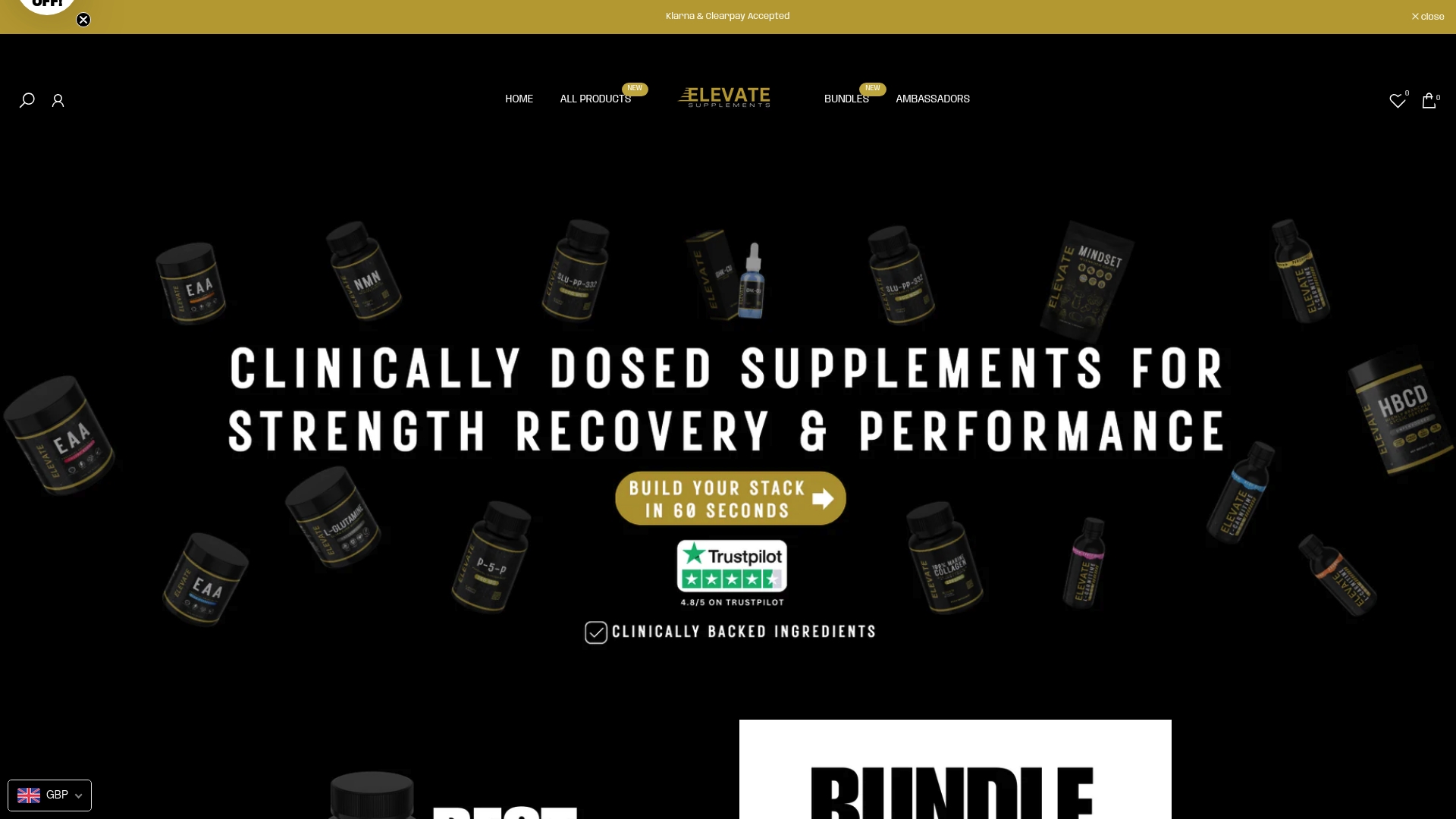
Every product undergoes rigorous quality testing to ensure you receive clinical doses of active ingredients without fillers or proprietary blends obscuring formulation details. Whether you prefer stimulant-based energy or pump-focused non-stimulant options, shopping with Elevate Supplements provides transparent labelling, fast UK delivery, and expert guidance to support your peak performance goals confidently.
Frequently asked questions
What are the safest pre-workout ingredients to look for?
The safest pre-workout ingredients include citrulline malate, beta-alanine, creatine monohydrate, and moderate caffeine doses under 300 milligrams. These compounds have extensive research backing their safety profiles when used at recommended doses. Avoid products with excessive stimulant blends, artificial additives, or proprietary formulations that hide ingredient amounts.
Can stimulant-free pre-workouts be as effective as stimulant-based ones?
Research demonstrates both types improve performance including anaerobic power and repetitions to failure when properly formulated. Stimulant-free options enhance blood flow, delay fatigue, and support strength through different mechanisms than caffeine. They suit caffeine-sensitive individuals and evening training sessions without sacrificing workout quality.
How should I time my pre-workout supplement intake?
Take stimulant supplements 30 to 60 minutes before daytime workouts to allow absorption and peak effects during training. Avoid stimulant pre-workouts within 6 hours of bedtime to prevent sleep disruption, as caffeine’s half-life extends several hours. Non-stimulant formulations work safely for evening sessions without interfering with sleep quality.
Are natural foods a good alternative to pre-workout supplements?
Natural options like coffee and bananas provide effective pre-workout nutrition for those preferring whole food approaches. Coffee delivers caffeine for energy whilst bananas supply quick-digesting carbohydrates and potassium. These alternatives suit individuals wanting to minimise supplement use, though they may not provide the comprehensive ingredient profile of specialised formulations.
How often should I cycle off pre-workout supplements?
Cycle stimulant pre-workouts every 4 to 6 weeks by taking 1 to 2 weeks completely off or switching to non-stimulant alternatives. This break prevents tolerance build-up and maintains supplement effectiveness long-term. Non-stimulant supplements require less frequent cycling, though periodic breaks help you assess whether they continue providing noticeable benefits.
Recommended
- Guide to pre-workout supplements for better workouts 2026 – ElevateSupplements
- How to Choose Supplements for Peak Performance Results – ElevateSupplements
- How to plan supplement cycles for peak performance 2026 – ElevateSupplements
- Top supplement stacking tips for optimal performance – ElevateSupplements


