


If you’ve ever stood in a supplement shop staring at rows of BCAA powders wondering whether they’re worth the price, you’re not alone. The amino acid market is flooded with bold claims, and most athletes end up buying products based on marketing rather than evidence. Here’s the uncomfortable truth: BCAAs are not the gold standard many brands want you to believe. Recent science points clearly toward essential amino acids and whole proteins as the smarter choice for muscle repair, performance, and recovery. This breakdown cuts through the noise and gives you a clear, evidence-based guide to which amino acids actually move the needle.
Table of Contents
- How amino acids support athletic performance: the science explained
- BCAAs, EAAs, and complete proteins: what athletes must know
- Comparing amino acid supplements: performance and recovery
- How to incorporate amino acids for peak results
- Why BCAA marketing overhypes results and what actually works
- Take your performance further with Elevate Supplements
- Frequently asked questions
Key Takeaways
| Point | Details |
|---|---|
| EAAs outperform BCAAs | Essential amino acids provide more effective muscle support than BCAAs alone. |
| Supplements fill dietary gaps | Protein or amino acid supplements are most beneficial when your diet falls short of your training needs. |
| BCAAs aid recovery, not performance | BCAA supplementation may ease muscle soreness but has limited impact on strength or endurance. |
| Protein distribution matters | Athletes should spread protein intake evenly across daily meals for optimal results. |
How amino acids support athletic performance: the science explained
Amino acids are the building blocks of every protein in your body, and for athletes, they serve a far more active role than simply repairing torn muscle fibres. They regulate hormones, support immune function, and act as direct signals for muscle growth. When you train hard, your body breaks down muscle protein faster than it can rebuild it. Supplementing with the right amino acids tips that balance back in your favour.
There are two categories you need to understand. Branched-chain amino acids (BCAAs) consist of leucine, isoleucine, and valine. These three are metabolised directly in muscle tissue rather than the liver, which gives them a faster route into your recovery process. Leucine, in particular, acts as a trigger for muscle protein synthesis (MPS) by activating a pathway called mTORC1. Think of mTORC1 as the “on switch” for muscle building. Without enough leucine, that switch stays off.
Essential amino acids (EAAs) include all nine amino acids your body cannot produce on its own, with BCAAs being a subset of this group. BCAAs and EAAs drive muscle protein synthesis through mTORC1 activation, with leucine playing the lead role. However, EAAs provide the full complement of building blocks needed for complete muscle repair, not just the activation signal.
Here are the key roles amino acids play for athletes:
- Stimulating muscle protein synthesis after resistance and endurance training
- Reducing muscle breakdown during prolonged or fasted training sessions
- Supporting immune function during heavy training blocks
- Providing fuel for energy when glycogen stores run low
“Amino acid supplements deliver the most benefit when your diet is falling short or when training volume is particularly high. They are a tool, not a replacement for solid nutrition.”
For a deeper look at how amino acids support muscle health across different training phases, the science is clear: context matters enormously. And if you want to understand how amino acids fit into a broader sports supplementation strategy, the evidence consistently points to whole-diet quality first, supplements second. Current protein guidelines for athletes reinforce this hierarchy.
BCAAs, EAAs, and complete proteins: what athletes must know
Not all amino acid supplements are created equal, and the differences between them matter far more than most product labels suggest. Understanding what you’re actually buying is the first step to spending your money wisely.
BCAAs contain only three amino acids: leucine, isoleucine, and valine. They’re popular because they’re fast-absorbing and have a decent body of research behind them. The problem is that they only work as a partial signal. Your muscles need all nine EAAs to actually complete the repair process.
EAAs contain all nine essential amino acids, including the three BCAAs. This makes them a more complete stimulus for muscle protein synthesis. EAAs are superior to BCAAs alone for MPS because BCAAs require the other EAAs to be effective. Without them, you’re essentially pressing the accelerator with no fuel in the tank.

Whole protein supplements (whey, casein, plant blends) provide EAAs plus additional nutrients, making them the most complete option for most athletes.
| Supplement type | Contains all EAAs? | MPS stimulation | Best use case |
|---|---|---|---|
| BCAAs | No | Partial | Fasted training, budget option |
| EAAs | Yes | Strong | Peri-workout, plant-based diets |
| Whole protein | Yes + extras | Strongest | Meal replacement, post-workout |
Key considerations when choosing:
- BCAAs alone cannot maximise muscle protein synthesis without the other EAAs present
- EAAs offer a more targeted, lower-calorie option than whole protein shakes
- Whole proteins provide the broadest recovery advantages, especially for strength athletes
- BCAA effects research shows diminishing returns when total protein intake is already adequate
Pro Tip: If you’re already hitting your daily protein targets through food, an EAAs supplement taken around your workout is a more efficient option than a full BCAA product. It gives you the complete signal without unnecessary calories. For more on choosing the right muscle recovery supplements, look at your total daily intake first.
Comparing amino acid supplements: performance and recovery
Let’s get into the actual data, because this is where many athletes are surprised. The research on BCAAs is not as clean as the marketing suggests.
Protein and amino acid supplementation shows an effect size of 0.166 for endurance performance and meaningful improvements in fat-free mass. That’s a real but modest benefit, and it’s most pronounced when dietary protein is insufficient. For strength athletes, the picture is similar: supplements help most when food intake is falling short.
| Outcome | BCAAs | EAAs | Whole protein |
|---|---|---|---|
| Muscle growth | Moderate | Strong | Strongest |
| Recovery speed | Moderate | Strong | Strong |
| Soreness reduction | Good | Good | Good |
| Endurance performance | Modest | Moderate | Moderate |
| Evidence quality | Mixed | Solid | Solid |
BCAA supplementation reduces delayed onset muscle soreness (DOMS), but evidence on body composition and strength gains is inconsistent. This is a critical distinction. Feeling less sore after a session is genuinely useful, but it doesn’t automatically translate to more muscle or better performance over time.
“Soreness reduction is a real benefit of BCAAs, but don’t confuse feeling better with performing better. The two don’t always go hand in hand.”
For athletes focused on muscle repair supplements, the data consistently favours EAAs and whole proteins over isolated BCAAs. Pairing amino acids with omega-3s for athletes may also enhance the anti-inflammatory recovery response, giving you a more complete approach. See the full BCAA versus EAA meta-analysis for a detailed breakdown of the evidence.
How to incorporate amino acids for peak results
Knowing which amino acids work is only half the equation. Timing, dosing, and dietary context determine whether you actually see results.
Here’s a practical framework for different athlete types:
- Strength and power athletes: Aim for 1.6 to 2.2 g/kg of body weight in protein daily, distributed across meals. Each meal should contain 0.3 to 0.5 g/kg to maximise MPS stimulation.
- Endurance athletes: Endurance athletes need 1.8 to 2.0 g/kg/day in protein, with higher requirements if training under energy restriction or following a plant-based diet.
- Plant-based athletes: Increase targets by 10 to 20% to account for lower digestibility of plant proteins. EAA supplements become particularly valuable here.
Timing matters more than most people realise. Taking EAAs or a protein source within 30 to 60 minutes before or after training maximises the anabolic window. During very long sessions (over 90 minutes), intra-workout EAAs can help reduce muscle breakdown without the digestive load of a full protein shake.
Practical dos and don’ts:
- Do track your total daily protein before adding supplements
- Do use EAAs peri-workout if you train fasted or early morning
- Don’t rely on BCAAs alone if your diet is already protein-deficient
- Don’t assume more is better: excess amino acids are simply oxidised for energy
Pro Tip: Use a food tracking app for two weeks to establish your actual protein baseline. Most athletes are surprised to find they’re either well short or already hitting targets without supplements. This data shapes your recovery supplement strategies far more effectively than guesswork. For sport-specific endurance supplement guidance, tailor your approach to your training demands. Full protein recommendations are available from the Gatorade Sports Science Institute.
Why BCAA marketing overhypes results and what actually works
We’ve seen the supplement industry push BCAAs hard for over a decade, and the honest assessment is that the hype has consistently outrun the evidence. For athletes eating adequate protein, isolated BCAA supplements offer marginal additional benefit. The soreness reduction is real, but the muscle-building and performance claims are largely overstated.
What supplements are genuinely helpful for is filling gaps: low total protein intake, heavy training blocks, or specific dietary restrictions. In those scenarios, EAAs or whole protein supplements deliver measurably better outcomes than BCAAs alone. Marketing often oversells BCAAs; comprehensive protein or EAA intake provides better practical results for most athletes.
The athletes who benefit most from targeted amino acid supplementation tend to be those with genuinely high training loads, plant-based diets, or older athletes managing age-related muscle loss. For everyone else, the priority should be total daily protein from quality food sources, with supplements filling the gaps rather than leading the strategy. Checking supplement quality tips before buying is always a smart move, because not all products deliver what they promise on the label.
Take your performance further with Elevate Supplements
If the science in this article has shifted how you think about amino acids, the next step is making sure your supplement stack actually reflects the evidence.
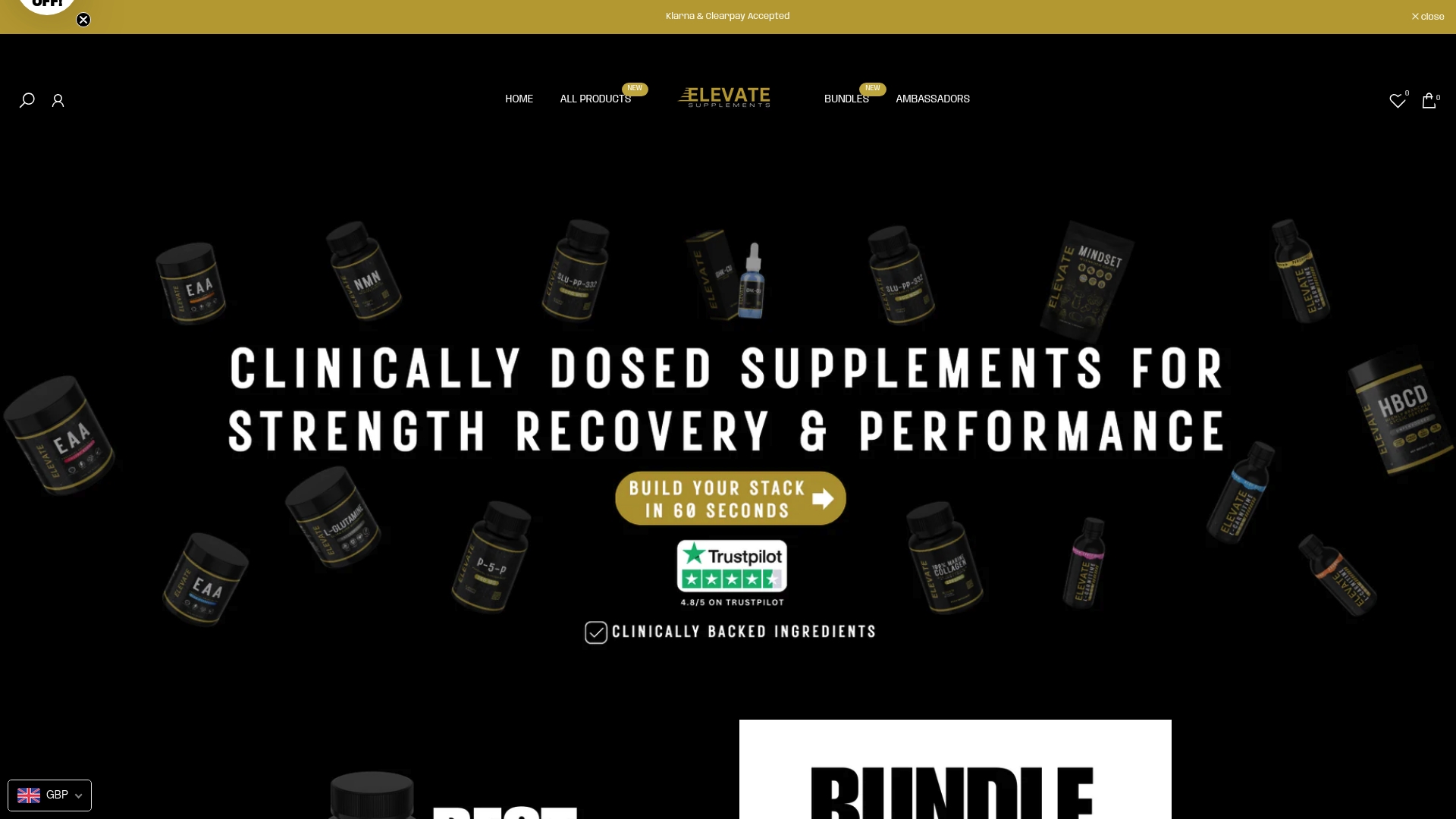
At Elevate Supplements, we stock products built around what the research supports, not what sells best on a shelf. Our EAAs Essential Amino Acids formula delivers all nine essential amino acids in one clean, effective product, ideal for peri-workout use or plant-based athletes needing complete amino acid coverage. For a broader performance and recovery approach, the Perform and Recovery Stack combines evidence-backed ingredients to support every phase of your training. Free UK and Ireland delivery on orders over £100, with 24/7 support if you need guidance on what suits your goals.
Frequently asked questions
Should I take BCAAs or EAAs for muscle growth?
EAAs are superior to BCAAs alone for supporting muscle growth, as they contain all nine essential amino acids needed for muscle protein synthesis, whereas BCAAs only provide three.
When is amino acid supplementation necessary for athletes?
Supplements are most helpful when your total dietary protein is not meeting daily needs or during periods of intense training where food intake alone may fall short.
Do BCAAs reduce muscle soreness after exercise?
BCAA supplementation reduces DOMS effectively, but their impact on strength gains and endurance performance is inconsistent across the available research.
How much protein should an endurance athlete consume daily?
Endurance athletes need 1.8 to 2.0 g/kg/day in protein, distributed across several meals of roughly 0.3 to 0.5 g/kg each to maximise muscle protein synthesis throughout the day.
Recommended
- Why use amino acids for better muscle health in 2026 – ElevateSupplements
- 6 Best Supplements for Muscle Recovery: Athlete’s Guide – ElevateSupplements
- Why recovery supplements matter for athletes in 2026 – ElevateSupplements
- Omega-3s in Sport – Impact on Recovery and Performance – ElevateSupplements


